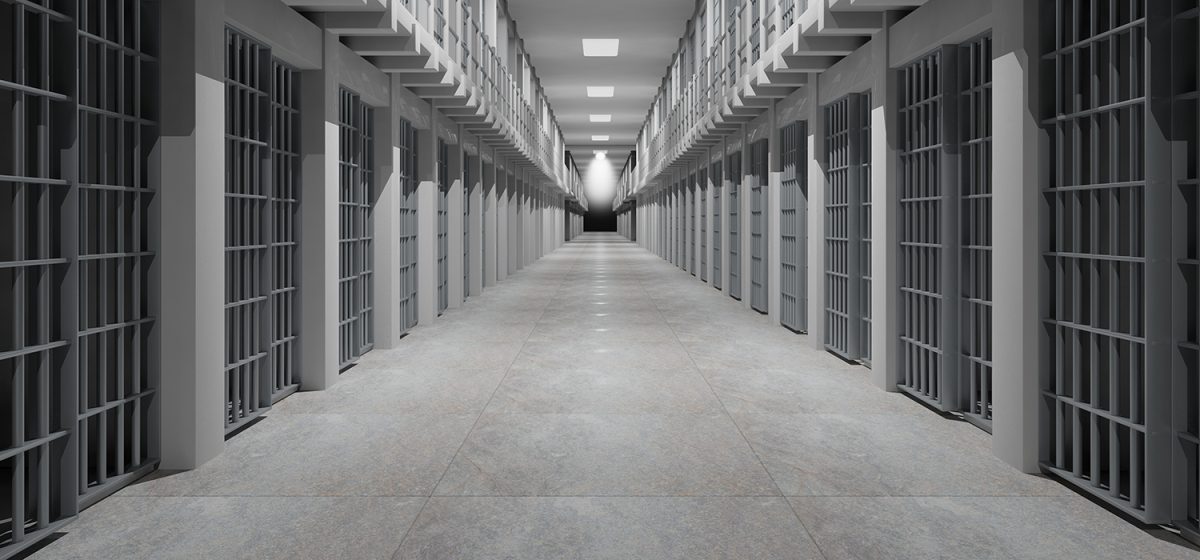
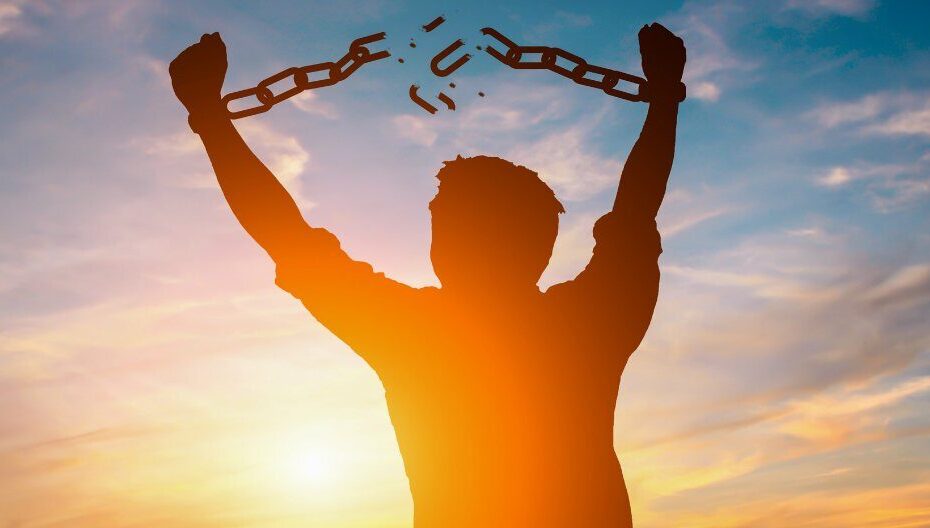
Ultimately, the concept of self-ownership in free societies exists on a spectrum. In situations like incarceration or professional sports, individuals may face restrictions, but those restrictions stem from choices they consciously make. Even if freedoms are limited, self-ownership is preserved through the initial act of consent.
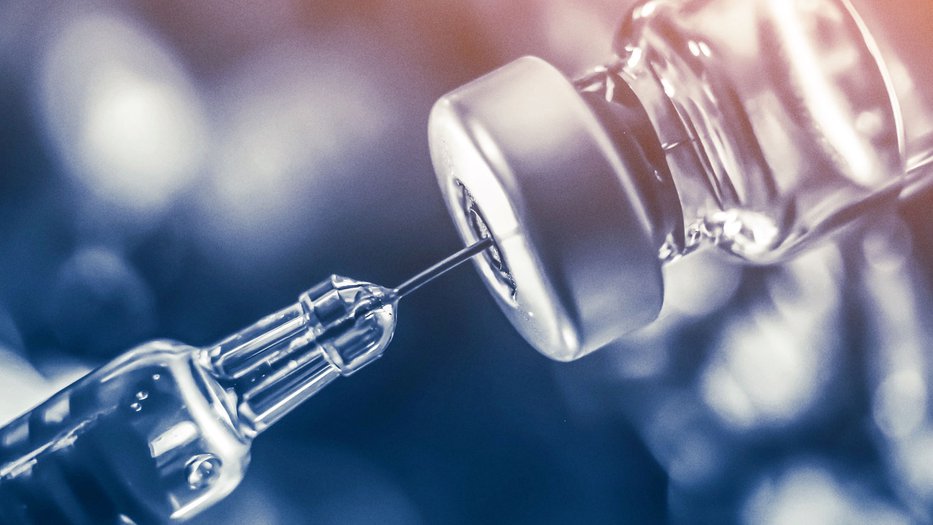
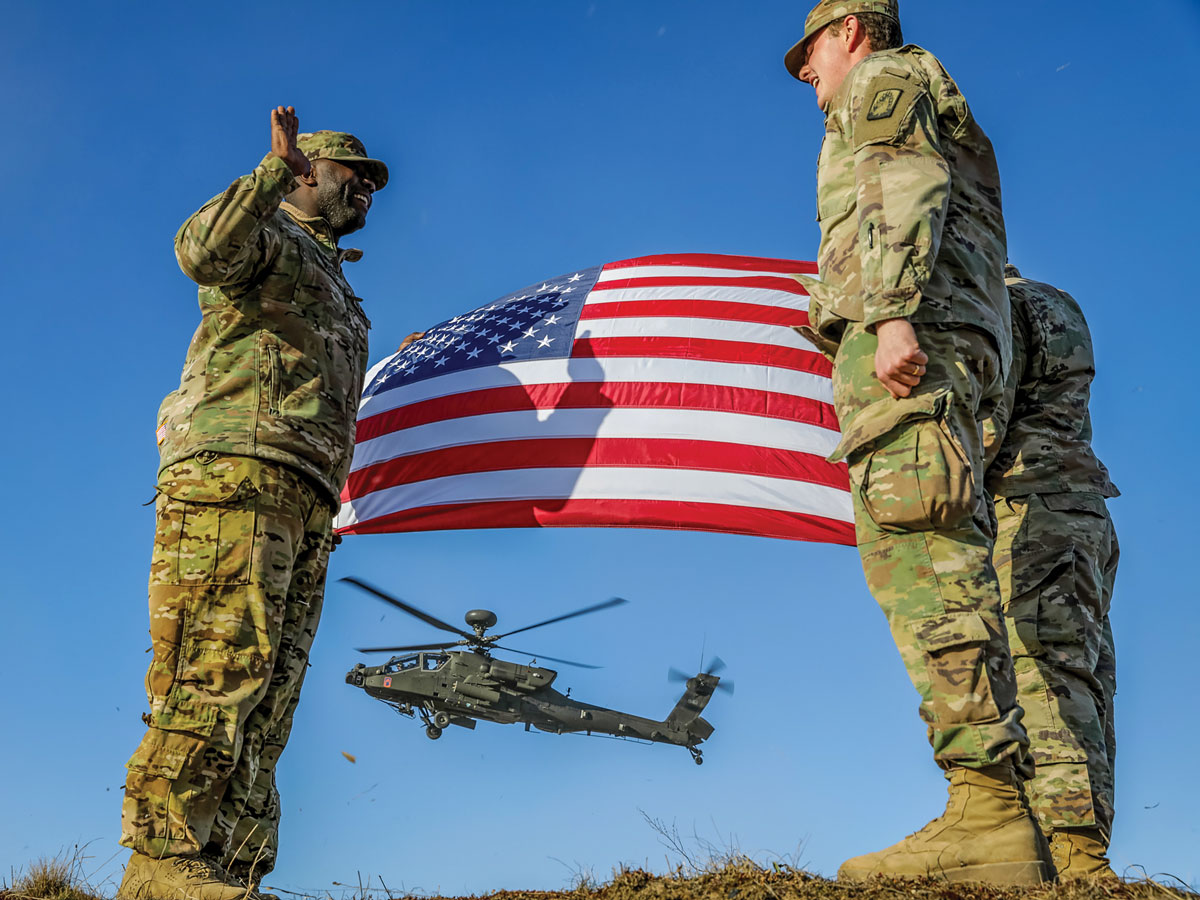
However, vaccine mandates and military drafts complicate this idea. In these cases, individuals are often placed in difficult positions not because of a choice they make, but because of the world around them. The options — comply or lose access to daily life — do not arise from a voluntary action, but from the standards of a society they are born into. While the ability to choose remains, it no longer feels like true ownership when both paths lead to the surrender of natural rights.
Yet if mandates were not in place, then self-ownership would also be violated, for it is incumbent upon the government to protect its citizens from a harm that they are powerless to control individually. Therefore, members of societies that consider themselves free have as much self-ownership as is reasonable, but they cannot claim complete self-ownership.