
In societies that define themselves as free, adults typically enjoy the highest degree of autonomy. They are expected to make their own choices, be responsible for their actions, and live according to their values.
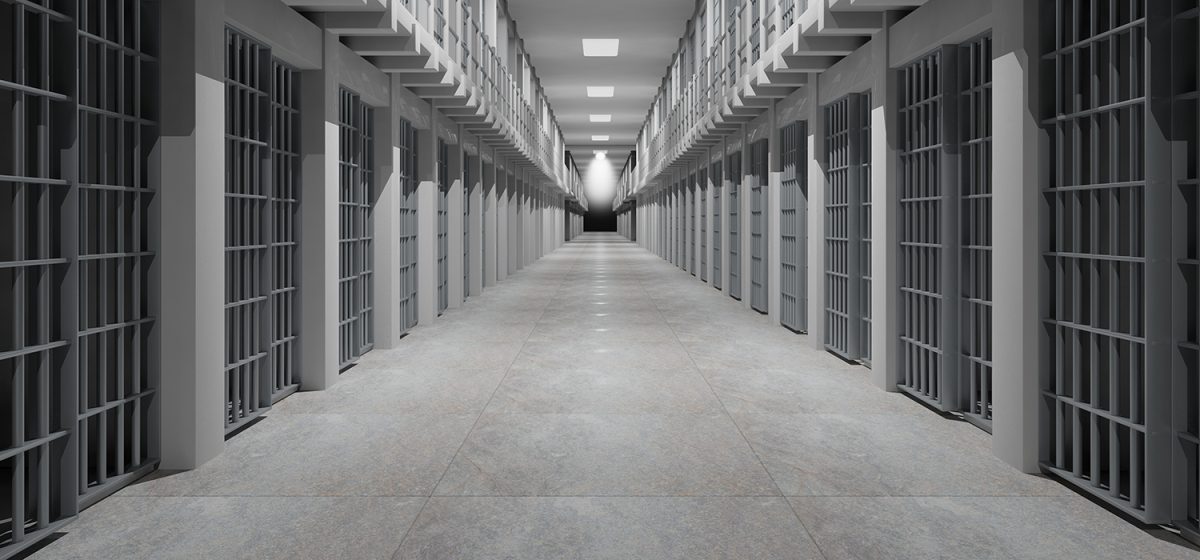
This freedom possessed by adults becomes complicated when we consider those who are incarcerated. In prison, individuals lose many of the basic freedoms that define self-ownership. They cannot move freely, make their own schedules, decide what to eat, or even control their privacy. Their bodies are monitored, their choices are limited, and their autonomy is essentially handed over to the state. John Locke writes, “Every man has a property in his own person. This nobody has any right to but himself.” Yet in the case of prisoners, the state temporarily claims control over that property, limiting their ability to act freely and fully own themselves.
Does that mean these prisoners have lost ownership of themselves? Not quite. The very act of breaking the law can be seen as an exercise of self-ownership. Therefore, individuals who are incarcerated made a decision, however reckless or harmful, and took the gamble with full awareness of the consequences. That choice, no matter how poor, was theirs to make. They broke the law presumably to bring themselves some benefit, whether it be material or simply satisfaction. In so doing, they silently agreed to give to the state some of the responsibilities of self-ownership. They still own themselves; they just have given these responsibilities to the state for the duration of their sentence.
In conclusion, since prisoners consciously make the decisions that result in their incarceration, they maintain their self-ownership, even though they concede many of the freedoms and responsibilities that accompany it.